ABOUT MMF
The Mori Memorial Foundation is committed to engaging in comprehensive research and publication activities in the urban renewal and development fields in order to create ideal urban environments that lead to sustainable life for all.

ABOUT MMF
-
IUDInstitute for Urban Development
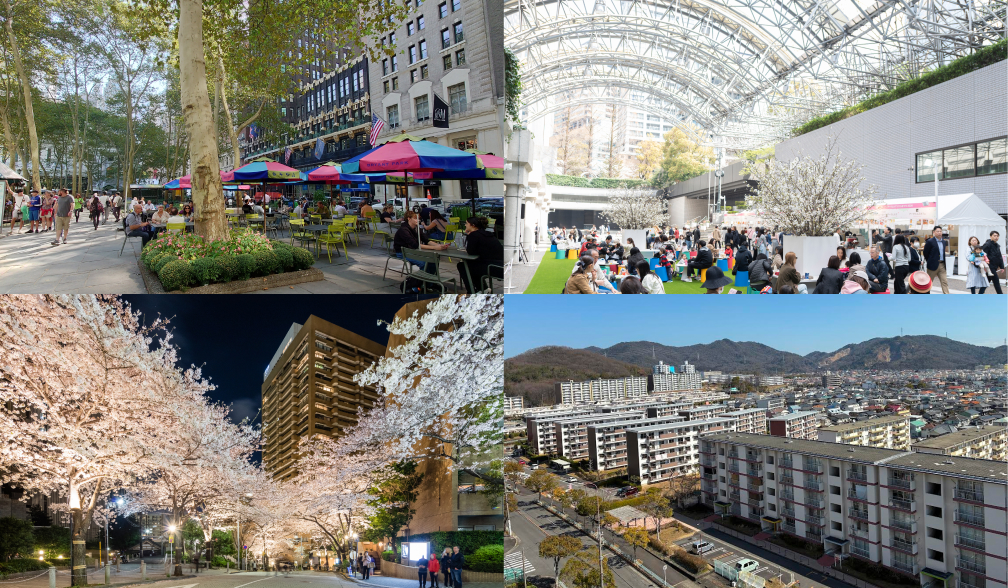
To respond to the diverse challenges facing cities, the institute conducts research from multiple perspectives on urban development and management—such as area management, urban development systems, green initiatives, MICE, culture and creative industries, and child-rearing environments. The findings are shared through lectures, publications, and other forms of public outreach.
-
IUSInstitute for Urban Strategies
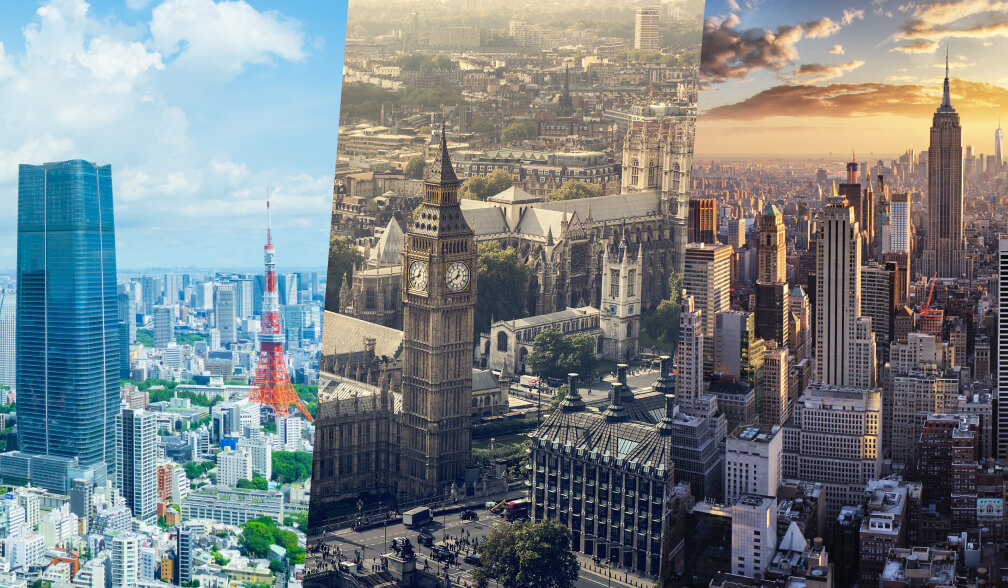
Since its establishment in 2008, the institute has identified key policy issues based on its flagship research programs, including the Global Power City Index (GPCI) and the Japan Power Cities (JPC). The institute also conducts analyses at the central city and metropolitan levels, as well as research on future strategies for global cities such as Tokyo. It also serves as a policy think tank, conducting commissioned research for both the public and private sectors.
MISSION
Japanese cities are entering a new phase in their evolution. They are gradually “maturing,” after a long period of growth and expansion.
Cities in different developmental phases require different approaches in city creation: specifically cities in a “growth” phase must focus on the physical development of urban space, but those in a “maturing” phase need to pay attention to the practice of urban management.
Cities in maturing phase face a plethora of emergent urban issues. Many Japanese cities are tackling the issue of a decreasing and aging population, seeking to respond to the growing demands to shrink existing urban areas and renovate older infrastructure. In order to address these fundamental changes and enhance the cities’ global competitiveness, public-private partnership has become a key approach in city creation.
Cities in a maturing phase may enjoy rich cultural diversity. Diverse actors and cultural resources provide them with immeasurable possibilities for evolution.
In view of such changes, Japanese cities may play a unique role in urban growth in Asia. They should define their own mission in Asia and seek to contribute to the enhancement of energy and environment in the region.
Since its inception, the Mori Memorial Foundation has engaged in the study of city creation and disseminated its knowledge to the public. As we continue to expand our research scope, it is our wish to explore various visions and strategies for constructing highly sustainable and attractive cities in Japan.
OVERVIEW
- Date of Establishment
July 1981
- Change to New Institutional System
October 2012
- Objectives
This foundation was established to contribute to the steady and sustainable enhancement of the lives of the citizens of Japan by promoting the formation of an attractive and nurturing urban environment through a variety of activities including undertaking comprehensive research in urban redevelopment and the improvement of the city environment, fostering human resources, and providing information.
- Activities and Projects
- Independent research related to the development of concepts and planning for urban redevelopment and urban environment improvement.
- Publication/distribution of books and other printed materials, and the organization and holding of lectures, seminars, etc.
- Other activities include any work or operations necessary to accomplish the objectives of the abovementioned.
- President
Hiroo Mori
LIST OF DIRECTORS ANDCOUNCILORS
COUNCILORS
-
Professor Emeritus, Meiji University
Yasushi Aoyama
-
Professor Emeritus, Keio University
Honorary Fellows, Japan Society for the Promotion of ScienceYuichiro Anzai
-
Professor Emeritus, Waseda University
Toshio Ojima
-
Senior Executive Vice President, Waseda University Professor, Faculty of Science and Engineering, Waseda University
Haruhiko Goto
-
Professor Emeritus, Tokyo Institute of Technology
Norihiro Nakai
DIRECTORS
-
President
Hiroo Mori
Director, Mori Building Co., Ltd.
-
Senior Executive Managing Director
Susumu Satomi
-
Executive Director
Hiroo Ichikawa
Professor Emeritus, Meiji University
Professor, Teikyo University -
Director
Kishii Takayuki
President, the Institute of Behavioral Sciences (IBS)
-
Director
Isoya Shinji
Professor Emeritus, Tokyo University of Agriculture, Former president
Professor Emeritus, Fukui Prefectural University, Former president -
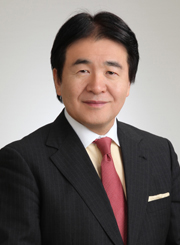
Director
Chairman, Institute for Urban StrategyHeizo Takenaka
Professor Emeritus, Keio University
-
Director
Yasuhiro Kogo
President & CEO, Mori Building Co., Ltd.
-
Director
Jun Nakaegawa
Advisor, Mori Building Co., Ltd.
-
Director
Miki Muraki
Professor, Faculty of Engineering, Chiba University
-
Auditor
Naofumi Takeuchi
Previous Chair of the board, Urban Regeneration and Land Readjustment Association
-
Auditor
Michio Matsukawa
Advisor, Mori Building Co., Ltd.
ABOUT INSTITUTE
FOR URBAN DEVELOPMENT
Since its inception, the Institute for Urban Development has coordinated numerous research projects on the world’s cities. Research ranges from basic analyses of selected urban areas, to studies on possible institutional approaches to maintain the wellness of the areas, and even the construction of strategies for enhanced urban development. Published research reports from the various projects undertaken are available.
As large cities in Japan have evolved from the development-oriented “growth phase” to the management-focused “maturity phase,” the conventional research and planning approaches have become insufficient. Cities in the maturity phase will face social, economic, and infrastructural needs different from those in the previous phase.
It is one of the missions of the Institute for Urban Development to work to develop an extensive research network to address these fundamental changes.
Researchers
ABOUT INSTITUTEFOR URBAN STRATEGIES
The Institute for Urban Strategies (IUS) at the Mori Memorial Foundation undertakes “research of urban strategies” at a wide range of fields, including society and the economy, etc, which goes beyond the framework of urban engineering from not just a domestic perspective but a global perspective as well.
Since its establishment in 2008, the Global Power City Index (GPCI) has been the basis of our research activities and from that we identify urban policy issues. In addition to the analysis of GPCI, our research has expanded to include analysis at both the inner-city level and the metropolitan area level.
We also conduct research on urban strategy and policy as well as the future vision for global cities starting from Tokyo. Recently, we have expanded our activities to commissioned research from public and private sectors as a policy think tank for overall urban strategy issues.
Director
Jun Nakaegawa
Advisor, Mori Building Co., Ltd.
Yennan U
Haruko Isogaya
Peter Dustan
Yuko Hamada
Shingo Inoue
Norio Yamato
Researcher
Momoko Iwai
Vice Chief Researcher
Yoshiyuki Ishii
Researcher
Masaki Yamasaki
Chief Researcher
Yumi Taga
Auditor
Michio Matsukawa
Advisor, Mori Building Co., Ltd.
Auditor
Naofumi Takeuchi
Previous Chair of the board, Urban Regeneration and Land Readjustment Association
Director
Miki Muraki
Professor, Faculty of Engineering, Chiba University
Director
Yasuhiro Kogo
President & CEO, Mori Building Co., Ltd.
Director
Isoya Shinji
Professor Emeritus, Tokyo University of Agriculture, Former president
Professor Emeritus, Fukui Prefectural University, Former president
Director
Kishii Takayuki
President, the Institute of Behavioral Sciences (IBS)
Senior Executive Managing Director
Susumu Satomi
President
Hiroo Mori
Director, Mori Building Co., Ltd.
Professor Emeritus, Tokyo Institute of Technology
Norihiro Nakai
Senior Executive Vice President, Waseda University Professor, Faculty of Science and Engineering, Waseda University
Haruhiko Goto
Professor Emeritus, Waseda University
Toshio Ojima
Professor Emeritus, Keio University
Honorary Fellows, Japan Society for the Promotion of Science
Yuichiro Anzai
Professor Emeritus, Meiji University
Yasushi Aoyama
Chief Researcher
Tamami Yamanaka
- Area of Expertise
-
- Urban Redevelopment
- Culture, Creative Industry
- Architectural Design
- Overseas Cities
- Education
-
Registered Real Estate Transaction Manager
- Selects Publications
-
- The Power of Culture, The Future of the City(2023, KAJIMA INSTITUTE PUBLISHING CO., LTD)
- How Cultural and Creative Industries are developed, London style.(2016)
- How Cultural and Creative Industries are developed, New York style Vol.1(2018)
- How Cultural and Creative Industries are developed, New York style Vol.2(2019)
- Current Projects in Charge
-
-
Research on Building a Sustainable Art Ecosystem
- London Survey
- Research for Tokyo Brand
-
- Professional and Academic Experiences
-
- “Planning-Oriented” Urban Development by New York City -Challenges for Regenerating Tokyo-
- Tokyo city lifestyle
- Tokyo brand power – Five attractive characteristics that are the admiration of the world-
- Making Tokyo’s Open Spaces More Enjoyable – Rating the Appeal of 108 Privately Owned Public Spaces in Tokyo –
- Visitors to Tokyo – Movement and de facto population in the Tokyo 40 km area (estimates and analysis)
- A Bicycle Friendly Town
- The Shoten-gai
Senior Chief Resarcher
Yasutaka Sonoda
- Area of Expertise
-
- Urban Redevelopment
- Urban Planning
- Area Management
- Academic Background
-
- Bachelor of Engineering in Administration Engineering, Faculty of Science and Technology, Keio University
- Master of Engineering in Administration Engineering, Graduate School of Science and Technology, Keio University
- Education
-
Registered Real Estate Transaction Manager
- Other Affiliations
-
- The City Planning Institute of Japan
- Japan Area Management Network
- Current Projects in Charge
-
- A Study of Urban Development Systems that Incorporate Sustainability:
- Area Management Research
- Professional and Academic Experiences
-
- “Planning-Oriented” Urban Development by New York City -Challenges for Regenerating Tokyo-
- Visitors to Tokyo – Movement and de facto population in the Tokyo 40 km area (estimates and analysis)
- Making Tokyo’s Open Spaces More Enjoyable – Rating the Appeal of 108 Privately Owned Public Spaces in Tokyo –
- Livable Towns for Active Seniors: A Comparison of Tokyo’s 23 Wards
- A Bicycle Friendly Town
- Industry in Minato ward
- Foreign enterprises in Minato ward
- Foreign nationals in Minato ward
- Tokyo “Clear Channels” Concept
- Selects Publications
-
- 「Area Management: Effects and Funding Sources 」(Gakugei Shuppansha, 2020)
- 「Area Management to Enhance the Value of the Community」 (Gakugei Shuppansha, 2018)
Executive Director
Hiroo Ichikawa
Professor Emeritus, Meiji University
Professor, Teikyo University
- Area of Expertise
-
Urban Policy, Risk Management, Urban and Regional Planning
- Academic Background
-
- Faculty of Science and Engineering, Waseda University
- Graduate School, Waseda University
- Graduate School, University of Waterloo
- Education
-
Ph.D. in Urban and Regional Planning
- Other Affiliations
-
- Professor Emeritus, Meiji University
- Professor, Teikyo University
- Executive Director of Japan Emergency Management Association
- President of Japan Institute of Emergency Managers
- Vice Chairman of Association for Creating Japan’s Future
- Board Member of Association for Tokyo Urban-Core Rejuvenation
- President of Japan Rescue Dog Association
- Selects Publications
-
- How Much Will the Tokyo Olympics Revitalize Japan? (KADOKAWA, 2013)
- Future Urban Strategy (Toyo Keizai, 2012)
- The Real Reason Why a New Station Will Be Built on the Yamanote Line (Toshishuppan, 2012)
- Lessons from Japanese Disaster (Toyo Keizai, 2011)
- Global Front Tokyo: Achieving its World-leading Status (Toshishuppan, 2008)
- Urban Space as Culture (Chikura Publishing, 2007)
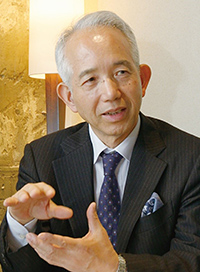
Chairman, Institute for Urban Development
Shigenori Kobayashi
Emeritus Professor of Yokohama National University
- Area of Expertise
-
Urban Planning
- Academic Background
-
Department of Urban Engineering, Graduate School of Engineering, The University of Tokyo
- Education
-
Doctor of Engineering
- Other Affiliations
-
- Former President, The Mori Memorial Foundation
- Former Chairman, The City Planning Institute of Japan
- Former Chairman, Japan Area Management Network
- Former Chairman, NPO OMY Area Management Association
- Honorary Vice Chairman, Urban Renewal Association of Japan
Director
Chairman, Institute for Urban Strategy
Heizo Takenaka
Professor Emeritus, Keio University
- Area of Expertise
-
Economic Policy
- Academic Background
-
Faculty of Economics, Hitotsubashi University
- Education
-
Ph.D. in Economics
- Other Affiliations
-
- Professor Emeritus, Keio University
- Director of Academyhills
- Selects Publications
-
- The Economics of Research Development and Capital Investment (Toyo Keizai, 1984)
- The True Story of Japan’s Structural Reform (Nikkei, 2006)
- Matrix Study (Gentosha, 2008)
- 経済古典は役に立つ (Kobunsha, 2010)